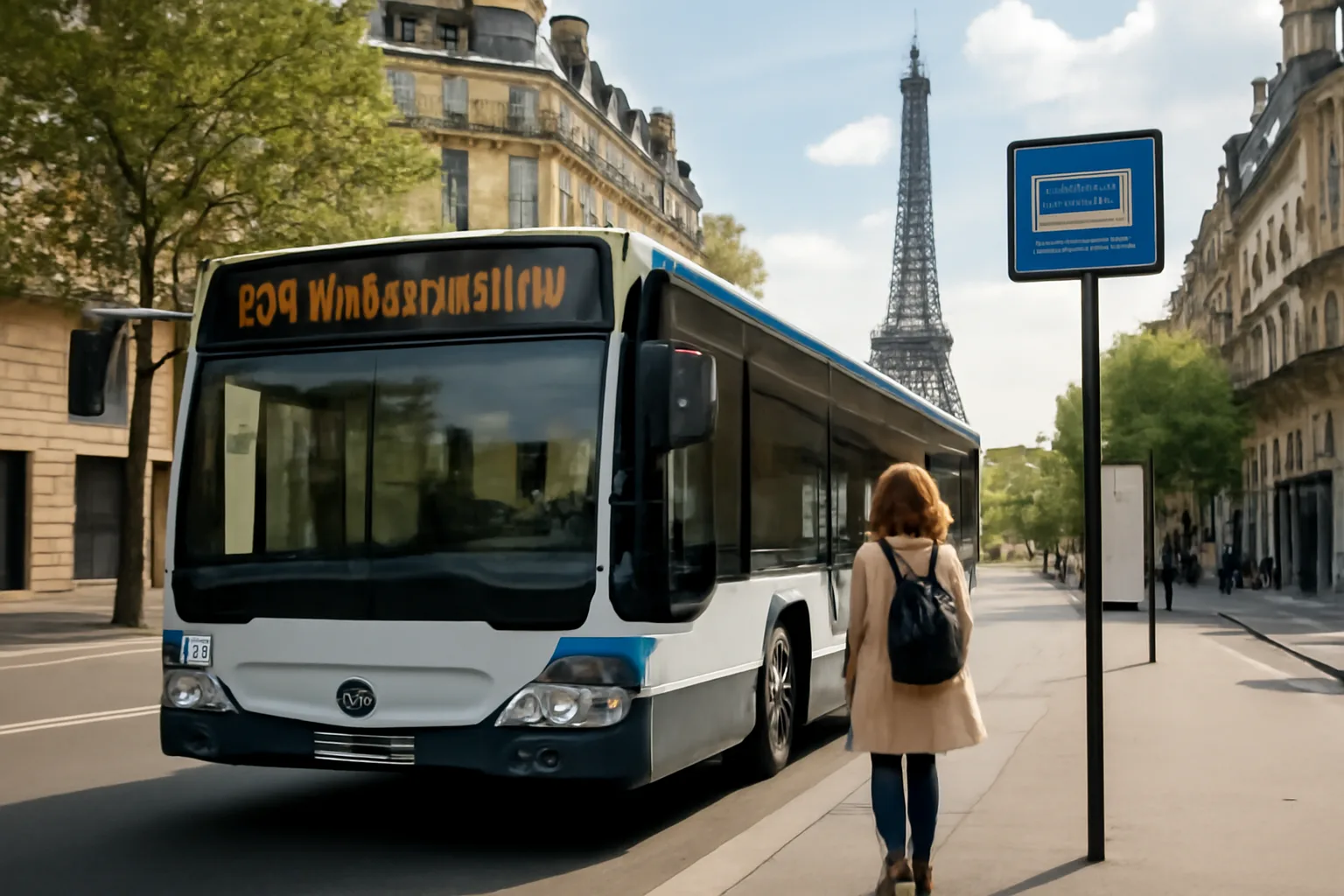
Have you ever wondered how to use Paris buses without getting lost or buying the wrong ticket? How to use Paris buses: tickets, routes and sightseeing tips is exactly what you’ll find here. I’ll show you how fares work, where to board, which routes double as mini guided tours, and the small customs that make a Paris bus ride smooth. Expect practical steps, local shortcuts and a few neighborhood secrets to make the bus your new favourite way to see Paris.
Understanding the Paris bus network
Paris has a dense and numbered bus network, run mainly by RATP. Buses criss-cross the city and reach corners the métro ignores. They run on scheduled lines, nocturnal lines, and express routes. Each line has clear route maps posted at stops. The buses use the same ticketing system as trams and métro, so once you get the ticketing basics, the network becomes intuitive.
Inside central Paris, buses are frequent. During peak hours, several lines come every five to ten minutes. In suburbs, frequencies drop but connections remain logical. Look for the bus number and its terminus on the front. The electronic display shows upcoming stops. If you read French, the stop announcements help. If you don’t, the route map on the pole and the stops on mobile apps will guide you. For official timetables and alerts, check RATP’s site for updates and disruptions: ratp.fr.
How routes are numbered and what they mean
Numbers often hint at geography. Low numbers usually circle central arrondissements. Higher numbers reach outer districts and suburbs. Letters sometimes follow numbers for branch services. A route’s terminus matters more than the mid-line numbers. If you board in the middle of the route, confirm with the driver or the stop map that the bus heads toward your destination.
Maps at each stop show all lines that call there. The line’s colour and major transfer points appear clearly. On the bus, the route diagram highlights current and upcoming stops. Listen for announcements. Many buses now show the next stop on a screen. If you need a scenic ride, certain routes run past monuments and along the Seine. I’ll point them out below.
Buying and validating tickets
The basic ticket for a single journey is the t+ ticket. It works on buses, métro, trams and most RER lines in Paris. You can buy single tickets at métro stations, some tobacconists, and on certain bus drivers’ machines. For multiple rides, the carnet of ten t+ tickets brings savings. If you stay longer, a Navigo pass or Paris Visite card is smarter. These options cover unlimited travel within chosen zones for days or weeks.
Validation on the bus is simple but important. Enter by the front door and show or insert your ticket into the yellow validator. If you hold a contactless card or a Navigo badge, tap it. Do not fold or hide your ticket. Inspectors occasionally board; fines are steep. Keep your validated ticket until you leave. If you fail to validate, you risk a fine. For full fare details and pass options, the Paris tourism page is practical: en.parisinfo.com.
Contactless and mobile payment
Paris now accepts contactless bank cards and smartphones on many services. Tap your card once when you board. Your fare is calculated automatically. If you plan several journeys a day, contactless daily capping or a multi-day pass is usually cheaper. Check your bank’s foreign transaction fees before tapping with a non-EU card. For longer stays, a reloadable Navigo card remains the most economical and convenient choice.
Practical tips for riding like a Parisian
Boarding and alighting follow local etiquette. Let passengers exit before you step on. Hold the pole when standing. Offer seats to elderly riders and pregnant women. Conversation stays quiet. Many Parisians read or stare out the window; it’s part of the city’s rhythm.
Plan for traffic. Buses use central lanes and can be slower than the métro in rush hour. But buses are unbeatable for direct cross-town trips and for seeing city life. If you need speed, check for express or circular lines that skip small stops. Keep an eye on the stop names; many are named after streets or landmarks, not the monuments themselves. When in doubt, ask the driver politely. Most drivers will point you toward the correct stop.
Safety and luggage: buses accept luggage and scooters, but space is limited. If you travel with a large bag, avoid busy hours. For bikes, folding models are usually accepted. Pickpocketing can happen on crowded routes; keep valuables secure and in sight.
Transfers and connection tips
Unlike some cities, transfers between métro and bus are free with a validated t+ ticket within the allowed time. But transfers from one bus to another may differ by ticket type. Use a single validated t+ ticket to transfer within the one-hour rule. For longer connections, the Navigo pass removes worry.
If you miss your stop, don’t panic. Stay seated and ride to the next stop, then get off and cross back. Many stops are close together. Use a map app or the RATP mobile site for quick rerouting. The bus is forgiving; you can improvise a little and still arrive on time.
Best Paris bus routes for sightseeing
Some regular routes double as low-cost sightseeing tours. They often follow riverbanks, cross grand boulevards, and pass historic quarters. For example, certain lines run along the Seine and show the Louvre, Île de la Cité, and Musée d’Orsay through large windows. Other lines thread Montmartre’s steep streets or follow the Champs-Élysées.
These routes let you observe daily Paris. You’ll see markets, boulangeries and hidden squares. Take a daytime ride to compare different neighbourhoods in one afternoon. Sit on the right or left depending on the side you want to view. Window seats are coveted. Avoid rush hour if you want photos and space.
For a curated sightseeing experience, consider the official tourist buses. They’re pricier but offer commentary and hop-on hop-off convenience. Compare cost against regular bus lines if you prefer local immersion.
Suggested lines for a first-time visitor
Seek routes that trace the Seine and cross central arrondissements. Lines that connect major hubs—like Gare du Nord, Châtelet, and Saint-Germain—give easy transfers. Ask at your hotel for the local line number that hits the nearest attractions. Locals often recommend one or two lines that feel like a condensed walking tour. Try them during daylight for the best views. The city looks different from a bus window than from the pavement.
Night buses, accessibility and final practicalities
When the métro sleeps, the Noctilien network keeps Paris moving. Night buses cover main axes and suburbs. Timetables vary, and frequencies can be sparse. Plan ahead if you travel late. Night lines usually stop at major transport hubs; check online maps before you leave.
Regarding accessibility, many modern buses are low-floor with ramps. However, not every stop is fully accessible. If you use a wheelchair or need assistance, verify the route ahead of time. Drivers help when possible, but station infrastructure is the city’s responsibility.
Download a reliable app and keep a small map in your pocket. Apps provide live positions, arrival times and service alerts. They let you ride with confidence and discover detours that become new plans. Pack patience, a sense of curiosity and comfortable shoes for when you decide to hop off.
Leave a Reply