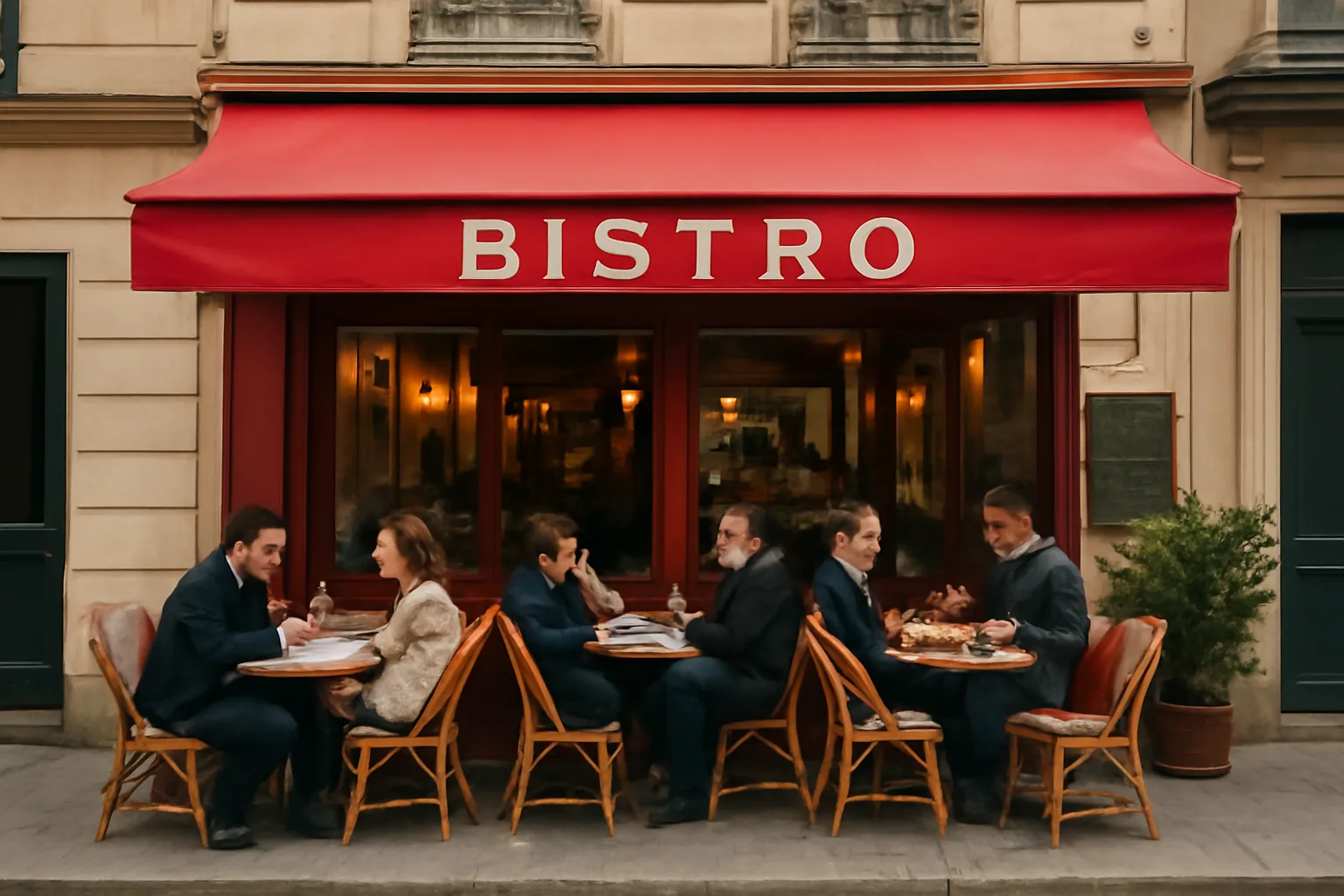
Ever wondered where Parisians actually eat when they want something honest and comforting? If you’re looking for the best traditional French bistros in Paris, you’re in the right place. I’ll show you the neighbourhood joints where locals return week after week, what to order, and how to read the menu like a Parisian. Expect straightforward food, lively counters, and the kind of service that’s brisk but warm.
What makes a Parisian bistro “traditional”?
A traditional Parisian bistro is not a museum. It’s a place where the food is simple, the portions sincere and the atmosphere familiar. Look for a small dining room, a chalk ardoise listing the daily specials, and a combination of wooden chairs, marble tops and a zinc counter. The menu will favour classics: steak frites, duck confit, pot-au-feu and a stable of terrines and rillettes. Wine is often by the carafe. Prices sit in the mid-range; not cheap, but honest.
Historically, bistros offered quick, affordable meals to workers and artists. Today they balance tradition and modest creativity. Some have evolved toward bistronomy—lighter sauces, seasonal produce—while keeping the heart of the bistro intact. For context on Parisian dining culture, the Paris Convention and Visitors Bureau has useful background on bistros and brasseries here. Knowing the signs of authenticity helps you pick a place where locals actually sit down to eat.
How to spot where locals really eat
Locals don’t choose a table because of a glossy menu. They read the room. Is the clientele mixed ages? Are there regulars at the counter? Does the staff know names? These are the signals.
Check the ardoise. A handwritten daily menu suggests fresh supply and kitchen rhythm. Look for a prix-fixe lunch or a sensible “menu du jour.” If the menu reads like a postcard to tourists, you’ll notice over-translation and photos. Real bistros rarely need pictures.
Listen to the service. It should be brisk, efficient and slightly cheeky. Waiters who bustle between tables with confidence usually mean the kitchen is humming. Reservations matter for evenings. For lunch, locals often arrive early or right by noon to nab a seat. Finally, trust smells: a kitchen that smells like butter, garlic and wine is doing its job. These cues will lead you to authentic, long-standing neighbourhood bistros rather than tourist traps.
My picks: neighbourhood bistros Parisians love
Bistrot Paul Bert (11th arrondissement)
Bistrot Paul Bert still carries the old Paris spirit. The dining room is lively, the menu unapologetically classic, and the steak frites have a reputation that keeps locals coming. Expect a carefully sourced entrecôte, house-made sauces and a proper île flottante for dessert. The room is compact and noisy in the best way. Service is professional and warm. Book in advance for evenings; locals often go early on weeknights. Prices reflect quality, but the experience feels genuinely Parisian. If you want traditional flavours with expert execution, this is a reliable pick.
Le Baratin (20th arrondissement)
In Belleville, Le Baratin has the quiet authority of a chef’s favourite. Regulars include cooks, wine merchants and locals who savour bold, seasonal cooking. The place pairs generous plates with an excellent natural wine list. The menu changes often and focuses on product rather than theatrical plating. Expect strong flavours and generous portions. The room itself is unpretentious; the joy is in the food and the discreet camaraderie at the tables. Walk up, but reserve for dinner if you can—this one fills with neighborhood fans and insiders.
Le Comptoir du Relais (6th arrondissement)
Nestled behind the Hôtel Relais Saint-Germain, this bistro is a Paris institution. The menu blends classic technique and creative touches. Lunch is a hunt for locals and literary types, while dinner draws a crowd. Portions are thoughtful and the ingredients are clearly chosen with care. The kitchen moves fast, the service knows the menu inside out, and the wine list supports the plates without stealing the show. If you want a bistro that balances tradition with polished execution, this is a smart stop. It’s busy, so plan accordingly.
La Fontaine de Mars (7th arrondissement)
La Fontaine de Mars is what people picture when they imagine a century-old Paris bistro. The decor is warm and classic, with a long history and loyal neighborhood clientele. Plates are family-style classics: duck confit, terrines and dense, comforting stews. Portions are generous; the mood is convivial. Service has a practiced rhythm—no hurry, no fuss. This is the kind of place where Parisians celebrate small victories and weekend dinners. If you want an old-school, heartfelt meal away from slick modernity, this delivers.
Les Papilles (5th arrondissement)
Les Papilles feels like a friend’s dining room. It’s small, busy and intensely local. Many diners opt for the set menu which pairs a thoughtful starter, a main and a fine wine selection. The bistro also doubles as a wine shop, so bottles on the shelves are a sign of house expertise. Food is classic with a twist—careful techniques and honest flavours. The room buzzes, conversation flows and service is friendly. For a genuine, neighbourhood-led dining moment in the Latin Quarter, this is a beloved choice.
Chez L’Ami Jean (7th arrondissement)
Chez L’Ami Jean serves robust Basque-inspired bistro food with a joyful intensity. The cooking is generous, noisy and utterly satisfying. Think rich rillettes, roast meats and a famous rice pudding that locals swear by. The atmosphere is familial and loud; it’s the kind of place where strangers end up comparing notes about the menu. Portions are hearty and the cooking feels honest. If you crave bold flavours and a lively table, this bistro is a classic local hangout. Reservations for dinner are wise.
Practical tips for your bistro experience
If you want to eat like a local, arrive on time for lunch. Noon in Paris is punctual. For dinner, reserve—popular bistros fill quickly. Ask for the ardoise when you sit; it often contains the freshest dishes. Don’t be afraid to order a carafe of house wine. It’s economical and often excellent. If you speak a little French, use it. Even a simple “bonjour” and “merci” opens doors. Tip modestly: leaving change or rounding up is common. Above all, enjoy the pace. A Parisian bistro meal is as much about company as it is about food.
For more curated restaurant guidance, reputable guides like the Michelin Guide can complement neighbourhood recommendations. But remember: the best table is often the one you discover by following the ardoise, the locals and your nose.
Leave a Reply