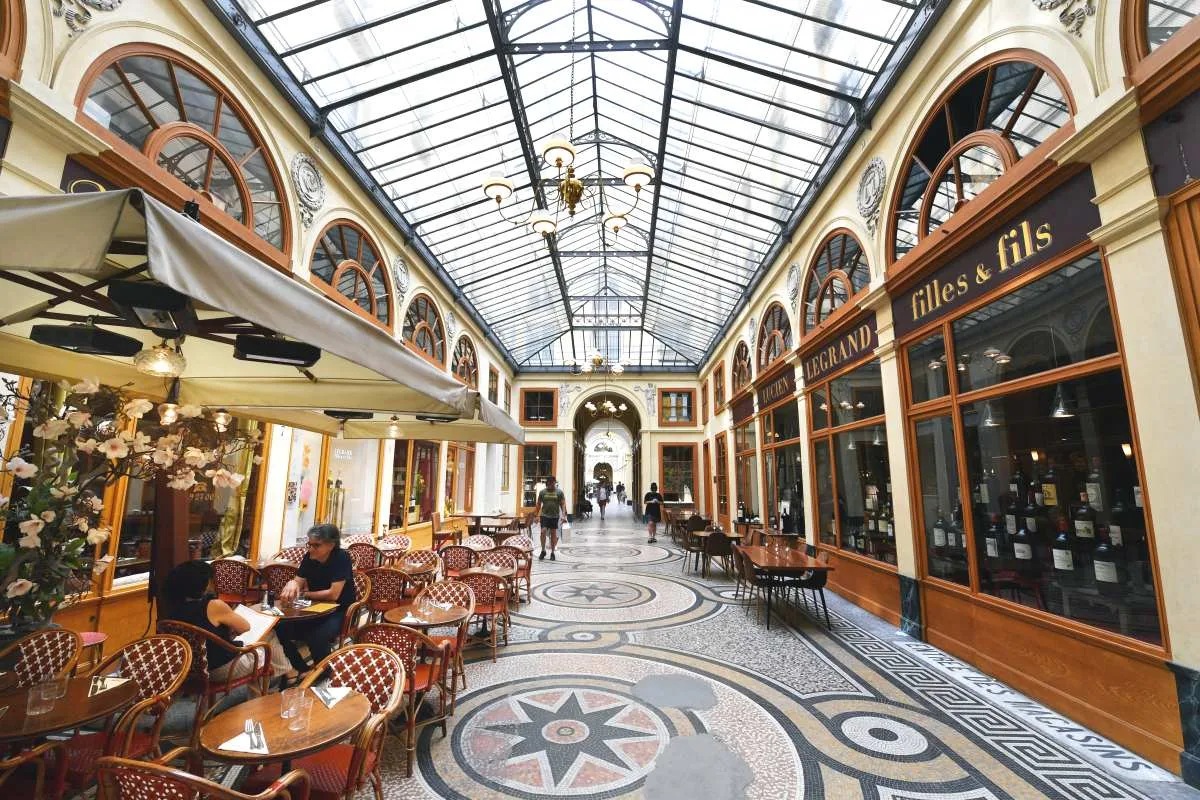
Have you ever stumbled into a glass-roofed alley and felt like you’d stepped into a Paris film scene? The covered passages in Paris are pocket-size theatres of history and shopping. In this guide you’ll learn where to find seven of the city’s most charming arcades, what to buy, and how to enjoy them like a local. Expect antiques, tea rooms, surprising boutiques and the odd stamp-shop treasure. Pack a small bag. Wear comfortable shoes. I’ll point you to practical links and the best times to visit.
Why the covered passages still fascinate
The covered passages are 19th-century solutions to urban bustle. They gave Parisians shelter from rain and mud. They offered light through glass roofs. They also offered privacy and flair.
Today these arcades feel intimate. They are quieter than the big boulevards. They host independent shops. They preserve mosaic floors and ornate ironwork.
For a shopper, they are treasure troves. For a photographer, they are natural backdrops. For anyone curious, they are living museums.
To learn more about their history, the Paris tourist office and a detailed encyclopedic entry are useful resources. Paris Info and the overview on Wikipedia are good starting points.
Passage des Panoramas — the oldest, elegant and bustling
The Passage des Panoramas dates to 1799. It is one of the earliest examples of a covered shopping street in Paris. Expect small print shops, stamp dealers and vintage postcard sellers.
Architectural details feel relaxed rather than pompous. The glass roof filters light pleasingly. There are also classic French bistros and old-fashioned signage that writers adore.
This passage is alive at all hours. It is particularly fun after lunch when collectors arrive. Look for elegant signage and tiny doors that invite exploration. If you like ephemera, you will linger. And if you love a good café terrace, you will find a few that keep old rituals alive.
Galerie Vivienne — neoclassical glamour and mosaic floors
Galerie Vivienne is a postcard-perfect arcade. It shines with mosaics, columns and a refined symmetry. The atmosphere is deliberate and slightly aristocratic.
High-end boutiques and specialty bookstores sit side by side. You will find fashion ateliers and tea salons. Many Parisian designers keep small corners here.
The light through the glass roof renders colors beautifully. Photographers often come for the floors and the ornate cornices. For shoppers, this is a place for exquisite small gifts rather than mass souvenirs.
A short stroll from the Bourse, Galerie Vivienne rewards slow walking. Pause in a tea room and listen to the faint murmur of conversations in French and English.
Passage Jouffroy — quaint, connected and family-friendly
Passage Jouffroy sits beside the Passage des Panoramas. It feels like a sibling with a more intimate scale. Its glass canopy is lower and the shops are cozier.
You will find artisanal chocolatiers, vintage toy shops and curiosities. The famous Musée Grévin lies nearby and often brings a lively crowd.
The passage keeps an old-fashioned charm. Shopkeepers are practical and chatty. It’s ideal for families who want a gentle mix of shopping and discovery.
If you want a tangible souvenir that isn’t mass-produced, start here. The arcade’s scale encourages serendipity — the sort of find that becomes a story.
Passage Verdeau — antiques and collecting culture
Parallel to Jouffroy, Passage Verdeau is a quiet haven for collectors. Bookshelves press against the walls. Old prints and framed maps crowd small booths.
The atmosphere is studious and calm. Many booths specialize in a niche. You will see vintage cameras, scientific instruments and theatrical posters.
For a bargain hunter, Verdeau offers patient browsing. Prices can vary, but charm is guaranteed. Shopkeepers often have deep knowledge and good stories.
Visit in the morning for the clearest light and the best chance to handle fragile objects. If you like tactile history, this passage will reward careful fingers and a patient eye.
Passage du Grand-Cerf — soaring glass and independent designers
Passage du Grand-Cerf is notable for its vertical space. The glass roof rises high and light pours down like a small cathedral.
This arcade attracts jewelers, young designers and ateliers. The scale makes even a jewelry window feel theatrical.
Independent brands showcase their craft here. Expect curated clothing, bespoke jewelry and considered accessories. It’s modern craft in a historic skin.
Walk slowly. Look up at the structure and then down at the displays. You will discover items that feel made for the person you are buying for, with stories attached.
Passage Choiseul — long, lively and theatrical
Passage Choiseul runs near the Opéra-Comique and has a long, practical layout. It is less ornate than Vivienne but full of life.
Theaters and rehearsal spaces nearby bring an artistic crowd. You will find cafés, bookstores and small clothing boutiques.
This passage pairs well with an evening plan. Start with shopping, then head to a nearby show. The energy shifts from daytime browsing to nighttime warmth.
Choiseul is a passage for the curious who mix culture and commerce. It rewards those who move without a rigid agenda.
Passage Brady — a sensory detour: spices and South Asian cuisine
Passage Brady is often called Paris’s Little India. The air fills with spice notes and warm aromas. It is a different kind of charm.
Here, shops sell fabrics, spices, and ingredients for South Asian cooking. Restaurants offer generous plates and friendly heat.
The passage’s atmosphere is robust and convivial. It’s less polished but intensely alive. You can shop for unique food souvenirs or sit down for a fragrant meal.
For a multi-sensory stop, Brady offers contrast to the neoclassical arcades. It shows how passages adapt and absorb new communities.
Practical tips for exploring the passages
Aim to explore on weekdays and in the morning to avoid crowds. Many shops open mid-morning. Some close Sunday afternoons.
Carry cash in small amounts. Many tiny vendors accept cards but prefer cash for small purchases. Ask before photographing if a shop looks private.
Wear comfortable shoes. The mosaic floors are beautiful, but they demand sensible walking. Pack a small tote for purchases. You will want to carry home fragile finds carefully.
If you plan a route, cluster the 2nd-arrondissement passages together. They lie close and make a superb half-day walk. For an extra tip, bring curiosity. The best finds come to those who pause and ask questions.
Leave a Reply