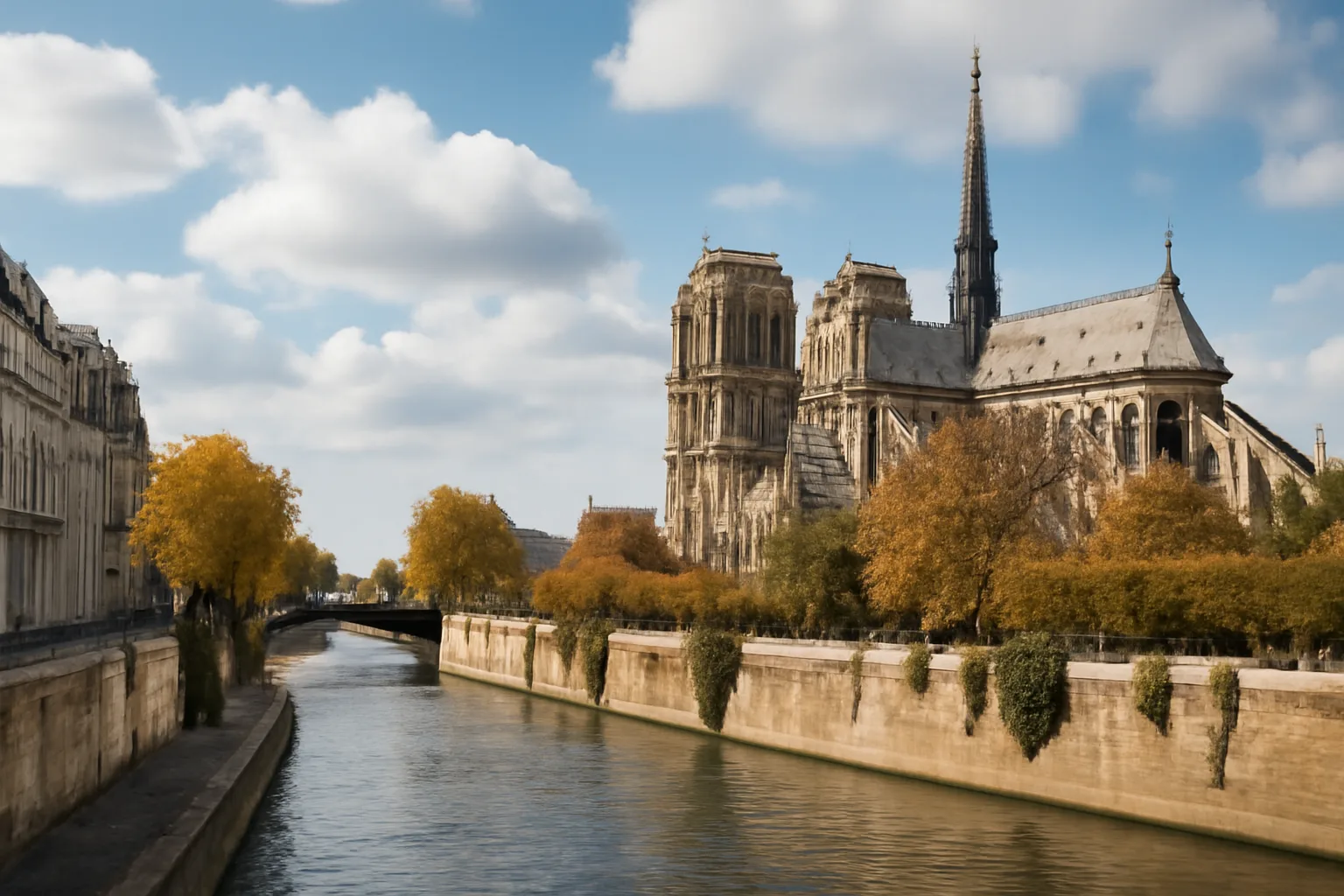
Looking for the best off-peak months to visit Paris? Season‑stretching offers a simple promise: enjoy the city when it feels more yours than the rest of the world’s. In this guide you’ll learn which months give you fewer crowds, better prices and unexpected light for photographs. I’ll explain weather risks, practical advantages and where to go when museums and cafés are blissfully less crowded. Read on and you’ll know exactly when to book your flight and pocket a few pleasant surprises in Paris.
Why season‑stretching matters
Paris changes mood through the year. Tourists pack the museums in summer. Locals retreat in August. Season‑stretching lets you glide into quieter months without missing the city’s highlights. The idea is not to avoid Paris, but to time your visit when streets breathe easier. That translates into shorter lines, calmer cafés and a chance to discover neighborhoods at street‑level, not from behind a selfie stick.
Off‑peak travel also saves money. Airlines and hotels lower prices outside high season. Cultural institutions offer late‑opening nights and special winter exhibitions. Most importantly, you’ll experience Paris as a living city. The light shifts. The market stalls display different produce. Even the rhythm of métro announcements seems less rushed. If you want tips shaped by local habits, you’re in the right place.
Top off‑peak months to visit Paris
January – early February: quiet and reflective
January is the quietest time in Paris. Holiday crowds have gone. Museum queues shrink noticeably. Temperatures hover around 3–7°C. Expect crisp, low light and often clear skies. Some smaller shops close for holidays in early January, but most museums and cafés remain open. You’ll find theatre seats and restaurant tables far easier to book. Flight prices can be pleasantly low. If you don’t mind bundling up, January rewards you with empty boulevards and a rare sense of solitude by the Seine.
Late February – April: the shoulder season warms up
Late February and March feel like Paris waking up. Days lengthen and cafés begin to spill onto sidewalks. Late March and April bring unpredictable weather, but also dramatic light — useful for photographers. This shoulder season offers comfortable museum visits and fewer tourists at major sites. Gardens like the Luxembourg and the Tuileries show first blooms, but they are not yet crowded. Prices begin to climb toward Easter, so timing around holiday weekends matters. Travel then and you’ll enjoy a lively city with manageable lines.
October – November: autumn’s calmer palette
Autumn in Paris is cinematic. October keeps mild days and golden leaves. November cools further, with damp mornings and intimate cafés pouring strong coffee. Tourist numbers dip after mid‑September, creating calm in the city’s most visited spots. Cultural life revs up: new theatre seasons premiere, museums open fresh exhibitions, and food markets change to heartier fare. If you prefer walking tours without shoulder-to-shoulder crowds, early to mid‑October is perfect. By November, you get better deals and a richer palette of seasonal cuisine.
Practical benefits: cost, crowds, and queues
Choosing off‑peak months affects more than weather. You save on hotels and sometimes flights. Restaurants free up less curated tables with shorter waits. Major sights such as the Louvre, Sainte‑Chapelle and the Eiffel Tower still attract visitors, but queues are usually shorter. Many Paris museums offer free or discounted entry days; off‑peak timing makes those days less chaotic.
Public transport runs the same, but your commute feels lighter. The metro carriages are less packed at peak times. Booking guided tours becomes simpler and often cheaper. If you plan to use trains for day trips, you’ll find more seats and better fares on non‑holiday dates. For up‑to‑date travel deals and schedules, check trusted resources such as the Paris Convention and Visitors Bureau and SNCF booking pages.
Weather risks and how to plan around them
Off‑peak months bring trade‑offs. January can be cold and gray. Late autumn has more rain. But these months reward with unique atmospheres. Bring layers. Pack a compact umbrella and waterproof shoes. Schedule a mix of indoor and outdoor activities each day. If a rainstorm cancels a walk, there are always museums, covered arcades, and cozy wine bars nearby.
Monitor local forecasts in the week before you travel. For reliable climate averages and short‑term weather, Meteo‑France is a dependable source. By anticipating a few quick showers or chilly evenings, you’ll lose nothing of Paris’s charm. On clear off‑peak days, the light is often the best of the year.
Where to enjoy Paris when it’s quieter
Off‑peak Paris rewards exploration away from the icons. Stroll the Canal Saint‑Martin and watch locals fetch coffee. Explore Belleville for street art and panoramic views. Visit small museums like the Marmottan Monet or the Musée Jacquemart‑André; you’ll find fewer groups and more time to absorb the collections. Neighborhood markets reveal seasonal produce and friendly vendors; tasting is half the fun.
In quieter months, consider evening walks in the Marais or along the Seine. The city’s lights cast a calm knowing glow. If you want a brief escape, day trips to Versailles or Giverny remain accessible and less crowded off‑peak. With fewer tourists, local Parisians are more approachable, and you might catch conversations that highlight daily life rather than travel scripts.
Practical tips for booking and packing
Book flexible rates. Choose refundable train and flight options when possible. Reserve museum time slots for popular attractions to avoid surprises. Aim for midweek stays if your schedule allows; weekends can still be busy with domestic visitors.
Packing is simple: layers, a warm jacket for winter mornings, a lightweight raincoat for autumn, and comfortable shoes for cobblestones. Bring a small day bag for market purchases. Consider an all‑in‑one power adapter and a compact guidebook or offline map. Finally, practice a few French phrases — Parisians appreciate the effort. A polite “bonjour” opens more doors than you expect.
Season‑stretching is about timing and curiosity. Visit Paris when light and crowds suit your mood. You’ll return home with better photos, calmer memories, and perhaps a new favorite café that feels like your own.
Paris Convention and Visitors Bureau • Météo‑France climate data • SNCF
Leave a Reply