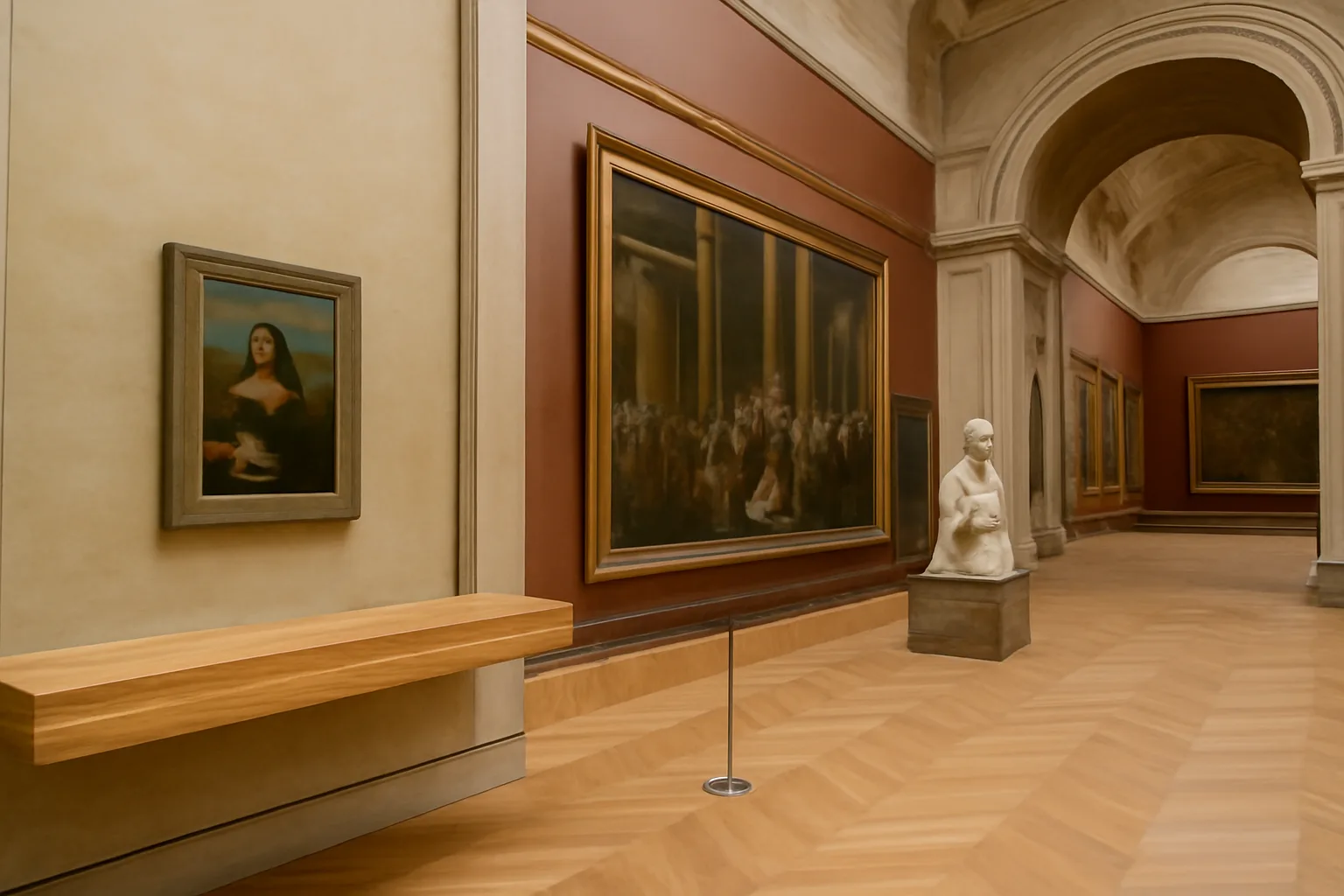
Looking to see the Louvre Museum must-see art: a 3-hour self-guided tour itinerary without wandering in circles? I’ve lived in Paris long enough to know the Louvre can feel like a small city of masterpieces. This guide promises a brisk, focused route that nets the collection’s greatest hits, practical tips to beat the crowds, and a rhythm that keeps you curious rather than exhausted. Three hours. No lines. Big art.
Before you start: quick practical advice
Arrive with purpose. The Louvre is vast; aim to see highlights rather than every gallery. Buy a timed-entry ticket online or arrive early at the Pyramid entrance. The official site has up-to-date times and booking options at louvre.fr. Bring a small bag and comfortable shoes. The museum allows photos without flash in most rooms, but cellphone etiquette matters: step aside for pictures. Pick up a paper map or the museum app; it’s worth a glance before you enter. Lastly, start in the Denon wing if the Mona Lisa is on your list. It’s the busiest piece, and seeing it early saves time and patience.
Hour 1 — Denon wing: the crowd-drawers and theatrical starts
Begin on the top floors of the Denon wing. You’ll encounter the Winged Victory of Samothrace first — a marble goddess caught mid-stride at the stair landing. Its dramatic placement is part of the magic. From there, sweep into the room with Leonardo’s Mona Lisa. Expect a crowd but don’t be surprised if a single glance thrills you more than an hour of analysis. Opposite the Mona Lisa is Veronese’s vast The Wedding at Cana, a theatrical feast that rewards a longer look. Nearby, Delacroix’s Liberty Leading the People delivers raw passion in oil. This hour is about theatrical moments: great compositions that demand to be seen in person. Stay present. Move on when the images begin to blur.
Hour 2 — Sully wing: antiquities and quiet power
Cross to the Sully wing for a different pace. Here the Louvre moves back in time. The Venus de Milo stands with calm authority. The sculpture’s missing arms matter little; its pose reads like a lesson in classical restraint. Nearby, explore the Egyptian galleries. The Seated Scribe greets you with an intimate, human gaze across millennia. The rooms devoted to Mesopotamian and Near Eastern art hold monumental, quieter works that reveal the ancient foundations of Western visual culture. Don’t miss the medieval remains in the museum’s basement. The fortress foundations and moat fragments anchor the Louvre’s dual identity: royal palace and temple of art. This hour rewards patience and close looking.
Hour 3 — Richelieu wing: French treasures and decorative splendor
Finish in the Richelieu wing, where French painting and decorative arts shine. The lavish Napoleon III apartments offer a break from the gallery rhythm. These rooms let you imagine ceremonial life at the palace. Nearby, French classical and 19th-century paintings display national narratives in bold color. The Richelieu also houses the decorative arts and well-curated sculpture rooms. Take a moment in a less crowded gallery. A smaller work can make a bigger impression once the main attractions are behind you. Leave time for a final roam through the glass-roofed courtyards. They are perfect for a last photograph and a breath before the exit.
Route and timing tips for a smooth three hours
Start at the Pyramid. Head straight to the Denon wing and work right-to-left through the major rooms. Pace yourself: spend 10–15 minutes at the very top highlights (Samothrace, Mona Lisa, Wedding at Cana). Allocate 30–40 minutes through the Sully’s ancient galleries and another 30–40 in Richelieu. Keep an eye on the clock; the museum’s layout tempts you to linger. If a room is packed, move on and return later if time allows. Use staircases and corridors rather than elevators when possible. They’re often faster and reveal overlooked sculptures and details. If you’re touring on a weekend or holiday, begin at opening time or after 16:00 to avoid peak crowds.
Little strategies that make a big difference
Be strategic about photos: capture quick shots, then put your camera away. You’ll remember the moment better without framing it through a screen. Ask staff for directions instead of relying solely on apps; museum guards often know which rooms are quieter. If you crave commentary, download a concise audio guide or pick one short section to deep-dive into. Avoid the trap of trying to “see it all”; the Louvre rewards slow, attentive visits. Finally, plan a cafe stop after your tour. A coffee on the nearby Rue de Rivoli feels earned. You’ll enjoy Paris better having tasted the museum rather than sprinted through it.
Extra resources and final notes
For current exhibitions and access rules, check the official Louvre pages. If you plan multiple museums, consider a Paris museum pass for convenience. Practical transport advice and city tips are available via the Paris Convention Bureau at en.parisinfo.com. Above all, treat this itinerary as a compass, not a script. The Louvre is a living place. Allow a surprise to interrupt your plan. Some pieces will call you to linger. Follow them.
Leave a Reply